
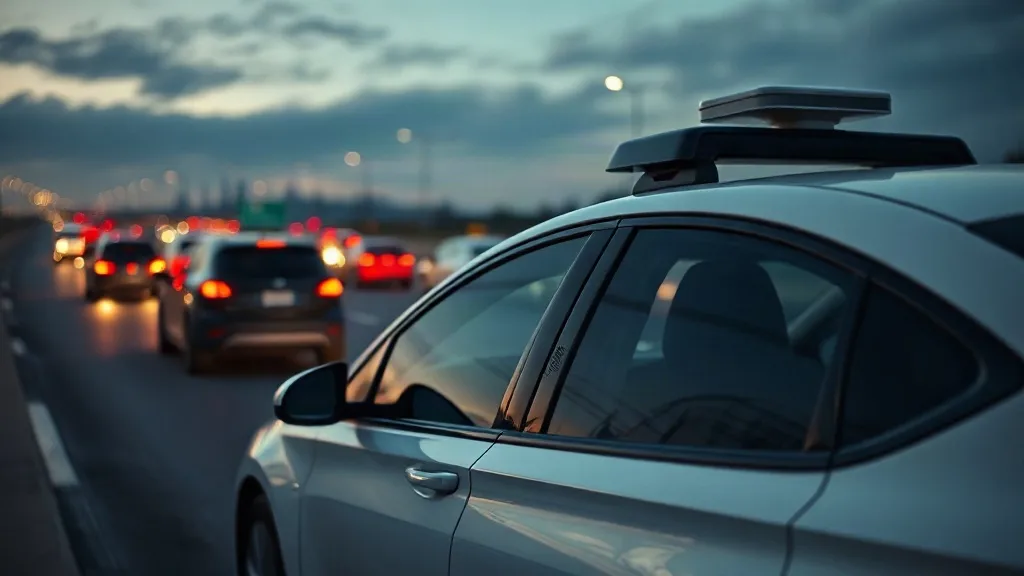
In a significant reversal for the autonomous vehicle industry, Waymo has announced it is withdrawing its driverless taxis from all US freeways. The move comes shortly after California regulators banned the company's robotaxis from operating on state highways, citing a series of traffic incidents. The decision marks one of the most substantial regulatory pushbacks against self-driving technology to date and raises fresh questions about the readiness of autonomous vehicles for high-speed environments.
The California Ban That Sparked the Pullback
California's Department of Motor Vehicles (DMV) issued an order suspending Waymo's permission to operate driverless vehicles on freeways within the state. The ban followed multiple reports of unsafe behavior by Waymo vehicles on highways, including sudden stops, failure to yield to emergency vehicles, and at least one collision. While the DMV did not specify the exact incidents, the pattern was enough to prompt immediate action.
Waymo, which had been expanding its freeway operations in California and Arizona, initially resisted the ban. However, facing mounting pressure and potential further restrictions, the company chose to voluntarily pull its vehicles from all freeways across the United States. This preemptive move is seen as an attempt to avoid a patchwork of state-level bans and to demonstrate a commitment to safety.
Why Freeways Are a Crucial Battleground for Robotaxis
Freeway driving represents both the greatest opportunity and the toughest challenge for autonomous vehicle developers. High-speed travel offers the promise of faster, more efficient trips, which could make robotaxis a viable alternative to human-driven cars for longer commutes. But it also introduces complex variables: merging traffic, unpredictable human drivers, and the need for split-second decision-making at speeds where mistakes can be fatal.
For Waymo, freeway operations were a key part of its expansion strategy. The company had been testing on highways in Arizona and California, aiming to offer a seamless door-to-door service that included highway segments. Pulling out of freeways means Waymo's robotaxis will now be confined to surface streets, significantly limiting their usefulness for many potential customers.
Safety Concerns and the Regulatory Tightrope
The California ban highlights the delicate balance regulators must strike between fostering innovation and ensuring public safety. Autonomous vehicles have long promised to reduce accidents caused by human error, but they are not immune to failures. The incidents that triggered the ban reportedly involved Waymo vehicles behaving erratically on freeways, sometimes requiring human intervention or causing traffic disruptions.
While Waymo has consistently maintained that its vehicles are safer than human drivers, the company has also acknowledged that freeway driving is a "more complex environment" that requires ongoing refinement. The decision to pull back may be a recognition that the technology is not yet ready for prime time on high-speed roads, at least not under the current regulatory microscope.
Impact on Waymo's Business and Expansion Plans
The withdrawal from freeways is a blow to Waymo's ambitious growth plans. The company had been scaling up its robotaxi services in cities like Phoenix and San Francisco, and freeway access was seen as a key differentiator that could attract more riders. Without highway capability, Waymo's service area shrinks, and trip times increase, potentially making its offerings less competitive against ride-hailing giants like Uber and Lyft.
Moreover, the ban could have a chilling effect on Waymo's partnerships and investments. The company has been working with automakers and logistics firms to integrate its technology, and freeway operations were often part of those discussions. A prolonged restriction could delay or derail such collaborations.
What This Means for the Autonomous Vehicle Industry
Waymo's retreat from freeways is a cautionary tale for the entire autonomous vehicle sector. Other players, including Cruise and Tesla, have also faced regulatory scrutiny and safety questions. The California ban sets a precedent that other states may follow, potentially leading to a fragmented regulatory landscape that complicates nationwide deployment.
At the same time, the incident underscores the need for greater transparency and data sharing between companies and regulators. Waymo has been relatively open about its safety record, but the ban suggests that regulators may require more rigorous testing and reporting before allowing high-speed autonomous operations.
The Road Ahead: Will Waymo Return to Freeways?
Waymo has not indicated when or if it will resume freeway operations. The company says it will work closely with California regulators to address their concerns and improve its technology. In the meantime, it will focus on surface street operations, where it has logged millions of miles and built a strong safety record.
For now, the freeway pullback is a reminder that the path to fully autonomous driving is neither straight nor smooth. It is a journey marked by regulatory hurdles, technical challenges, and the constant need to balance innovation with public trust. Waymo's decision, while painful in the short term, may ultimately prove to be a prudent step toward a safer and more sustainable future for robotaxis.
Frequently Asked Questions
Why did Waymo pull its driverless taxis from all US freeways?
Waymo pulled its driverless taxis from all US freeways after California banned its vehicles from operating on state highways due to a series of traffic incidents. The company chose to voluntarily withdraw nationwide to avoid a patchwork of state-level restrictions.
What incidents led to California's ban on Waymo's freeway operations?
While specific incidents were not fully detailed, reports indicate that Waymo vehicles exhibited unsafe behaviors on freeways, such as sudden stops, failure to yield to emergency vehicles, and at least one collision. These raised concerns about the safety of high-speed autonomous driving.
How does this affect Waymo's robotaxi service?
The withdrawal means Waymo's robotaxis will only operate on surface streets, reducing their service area and increasing trip times for customers who previously used highways. This could make Waymo less competitive against traditional ride-hailing services.
Could other states follow California's lead and ban Waymo from freeways?
It is possible. California's action sets a precedent that other states may consider, especially if similar safety incidents occur. This could lead to a fragmented regulatory environment for autonomous vehicles across the country.
When will Waymo resume freeway operations?
Waymo has not announced a timeline for returning to freeways. The company says it will work with regulators to address safety concerns and improve its technology before attempting high-speed operations again.