
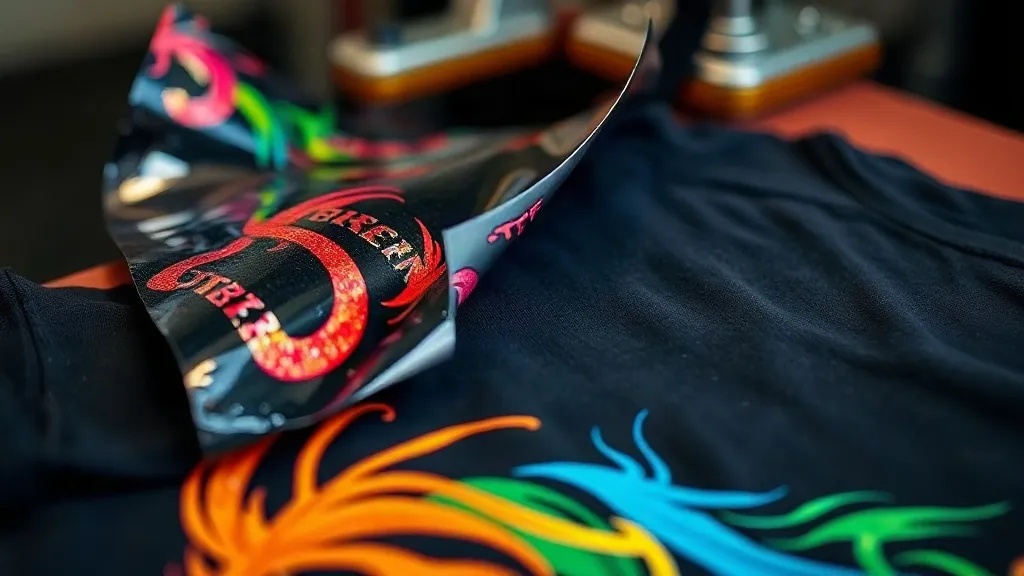
When most print shop owners think about dtf transfers, they picture a standard CMYK print on a white or light-colored shirt. But DTF technology has evolved far beyond the basics. With the right approach, you can incorporate specialty inks and effects that turn ordinary garments into premium products. This guide explores how to push the boundaries of dtf printing with specialty inks, from high-opacity whites to metallic and fluorescent powders, and how to price and market these effects for maximum profit.
Why Specialty Inks Matter for DTF Transfers
DTF transfers are known for their versatility and durability, but the real differentiator for your shop can be the ability to offer effects that other printers can't easily replicate. Specialty inks open up a new realm of creative possibilities and allow you to cater to customers who want something beyond the ordinary. Whether it's a neon design for a fitness brand or a metallic logo for a corporate client, specialty inks can elevate your offerings and justify higher price points.
Moreover, specialty inks can help you stand out in a crowded market. Many print shops stick to standard CMYK, so by adding specialty options, you position yourself as a premium provider. This not only attracts new customers but also encourages existing ones to experiment with more elaborate designs, increasing your average order value.
Understanding the Range of Specialty Inks for DTF
The world of specialty inks for DTF is diverse. Here are some of the most impactful options you can integrate into your workflow:
- High-Opacity White: Essential for printing on dark garments, but also useful for creating bold, solid areas that pop. A high-opacity white can reduce the need for multiple layers, saving time and ink.
- Fluorescent (Neon) Inks: These vibrant inks glow under UV light and are perfect for event merchandise, safety wear, and fashion-forward designs. They can be mixed with standard colors to create unique shades.
- Metallic Inks: Available in gold, silver, and bronze, metallic inks add a luxurious feel to prints. They are ideal for corporate logos, limited-edition apparel, and high-end fashion.
- Glow-in-the-Dark Inks: These phosphorescent inks absorb light and emit it in the dark. They are a hit for novelty items and children's clothing.
- Puff Additive: While not an ink itself, a puff additive can be mixed with standard DTF inks to create a raised, textured effect that mimics embroidery.
Each of these specialties requires specific handling and may need adjustments in your printing process, but the payoff in terms of product differentiation and pricing power is substantial.
How to Integrate Specialty Inks into Your DTF Workflow
Adding specialty inks to your DTF setup isn't as simple as swapping out a cartridge. It requires careful planning and testing to ensure consistent results. Here's a step-by-step approach to get started:
- Research and Source Quality Inks: Not all specialty inks are created equal. Look for suppliers that offer DTF-compatible specialty inks with good reviews and technical support. Ensure they are designed for your printer model.
- Test and Profile: Before offering specialty prints to customers, run test prints to understand how the inks behave. You'll need to adjust color profiles, curing times, and powder application accordingly. For example, metallic inks may require a longer curing time to achieve full luster.
- Update Your RIP Software: Your raster image processor (RIP) software may need updates or custom profiles to handle specialty inks correctly. Work with your software provider to create profiles that account for the unique characteristics of each ink.
- Train Your Staff: Ensure everyone on your team knows how to handle specialty inks, from design preparation to printing and finishing. Proper training reduces waste and ensures consistent quality.
- Market and Price Accordingly: Specialty effects justify higher prices. Develop a pricing structure that reflects the added value and the additional costs (e.g., higher ink prices, longer production times).
Pricing Strategies for Specialty DTF Transfers
When it comes to pricing specialty dtf transfers, you need to account for both the direct costs and the perceived value. Here are some tips:
- Cost-Plus with a Premium: Calculate your base cost (ink, film, powder, labor) and add a markup that reflects the specialty nature. A common approach is to add 20-30% on top of your standard DTF pricing for specialty effects.
- Value-Based Pricing: For high-demand effects like metallic or glow-in-the-dark, consider what the market will bear. If you're the only shop in town offering these, you can command a higher price.
- Tiered Pricing: Offer different levels of specialty effects at different price points. For example, a simple fluorescent print might be a lower tier, while a combination of metallic and puff could be a premium tier.
- Bundle with Garments: Offer specialty prints as part of a complete garment package. Customers are often willing to pay more for a finished product than for transfers alone.
Remember to communicate the value to your customers. Explain why specialty inks cost more and how they enhance the final product. Many customers are happy to pay extra for something unique.
Common Challenges and How to Overcome Them
Working with specialty inks can present challenges. Here are some common issues and solutions:
- Clogging: Metallic and fluorescent inks contain larger particles that can clog printheads. Regular maintenance and using a dedicated printer for specialty inks can mitigate this.
- Curing Issues: Some specialty inks require different curing parameters. Invest in a reliable heat press with accurate temperature control and test thoroughly.
- Adhesion Problems: Specialty inks may not adhere as well to certain fabrics. Always test on the actual garment before production runs.
- Color Accuracy: Specialty inks can shift colors. Work closely with your RIP software and consider custom ICC profiles for each specialty ink.
By anticipating these challenges and having protocols in place, you can minimize downtime and waste.
Marketing Specialty DTF Transfers to Your Customers
Once you've mastered specialty inks, you need to let your customers know. Here are some marketing strategies:
- Create Sample Swatches: Produce a sample book or board showcasing each specialty effect on different fabrics. Let customers touch and see the difference.
- Social Media Showcases: Post videos and photos of specialty prints in action, especially glow-in-the-dark and metallic effects. Use hashtags like #DTFspecialty and #customapparel.
- Offer Limited-Time Promotions: Introduce a new specialty effect with a promotional discount to encourage trials.
- Collaborate with Local Designers: Partner with influencers or local artists to create exclusive designs using specialty inks, generating buzz.
Educating your customers about the possibilities will spark their creativity and lead to more orders.
Frequently Asked Questions About Specialty DTF Transfers
Can I use specialty inks with any DTF printer?
Not all DTF printers are compatible with specialty inks. Check your printer's specifications and consult with the manufacturer. Some printers require specific printhead types or configurations to handle metallic or fluorescent inks.
How do I prevent clogging when using metallic inks?
Regular maintenance is key. Print a small test pattern daily to keep the ink flowing, and use cleaning solutions recommended for metallic inks. Consider dedicating a separate printer for specialty inks to avoid cross-contamination.
Are specialty DTF transfers more expensive to produce?
Yes, specialty inks typically cost more than standard CMYK inks, and they may require additional time and materials. However, the higher price you can charge for the final product usually outweighs the extra cost.
What fabrics work best with specialty DTF transfers?
Specialty DTF transfers work well on a wide range of fabrics, including cotton, polyester, and blends. However, always test on the specific fabric you plan to use, as some effects may adhere differently. For example, metallic inks may not adhere well to highly textured fabrics.
Can I combine multiple specialty effects in one design?
Yes, you can combine effects like metallic and puff, but it requires careful design and testing. Work with your RIP software to create separate layers for each effect and ensure proper curing for each.