
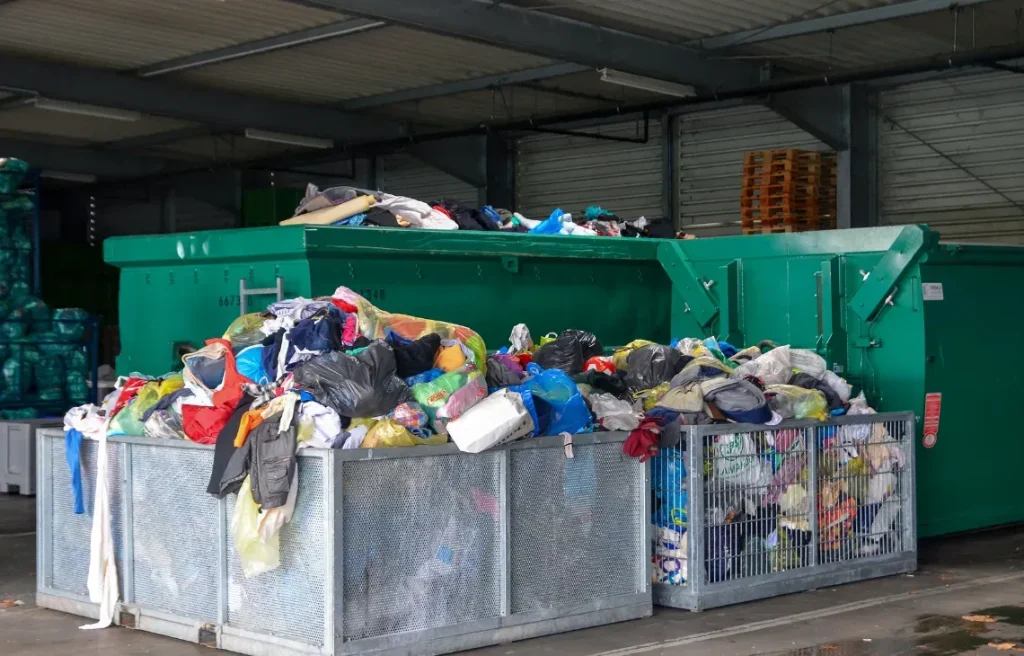
Textile waste management has become a pressing issue as global clothing production continues to rise, with countries like Chile facing significant environmental challenges as a result. The Atacama Desert, known as the driest non-polar region on Earth, is now burdened with mountains of discarded clothing, showcasing the urgent need for sustainable practices. In response, Chile’s environment ministry is introducing measures such as extended producer responsibility to address the crisis of textile waste, holding importers accountable for the massive influx of second-hand garments. This initiative aligns with broader goals in the circular economy textiles sector, promoting recycling and reuse to mitigate the second-hand clothing impact on the environment. By tackling these environmental issues head-on, particularly in areas like the Atacama Desert, Chile aims to foster a culture of responsibility and sustainability in the textile industry.
The management of discarded fabrics and garments is increasingly recognized as an integral part of sustainability efforts worldwide. As nations grapple with the implications of their consumer habits, concepts like extended producer responsibility and circular economic practices are gaining traction. In Chile, the challenge of textile waste is particularly visible within the confines of the Atacama Desert, where heaps of clothing have sparked discussions around environmental stewardship. To combat such challenges, the government is now implementing policies that hold producers accountable for their environmental footprint, marking a crucial shift in how the textile industry is viewed. This focus on responsible production and consumption not only addresses waste but also encourages innovative solutions in the realm of second-hand clothing and sustainable fashion.
The Rising Challenge of Textile Waste Management in Chile
Chile is now confrontationally faced with a significant challenge in textile waste management as the piles of unusable clothing grow larger in the Atacama Desert. This stark reality of a massive waste issue arises primarily from the country’s status as the world’s fourth-largest importer of second-hand clothing. With an average of 123,000 tonnes of textile imports gathering dust and debris in the desert each year, the need for effective management strategies is evident. The accumulation not only poses an aesthetic problem but also raises pressing environmental concerns that threaten local ecosystems.
The government’s recent shift towards prioritizing textiles in their extended producer responsibility (EPR) law signifies a turning point in how Chile manages textile waste. By targeting importers, Chile aims to establish a new accountability framework that will compel businesses to reconsider their environmental impacts. This proactive measure is crucial as it lays the groundwork for sustainable practices, encouraging the recycling of clothing and minimizing the extensive creation of waste.
In addition, the launch of public policies centered on textiles highlights Chile’s commitment to enhancing sustainability within its importing sector. With the implementation of these regulations, the focus will shift towards achieving a circular economy in textiles. This shift will not only mitigate environmental damage in the Atacama Desert but will also promote a conscious consumer culture that values sustainability over fast fashion.
Understanding the implications of excessive textile waste, local stakeholders have recognized the need for a unified approach to create viable solutions for waste management. By leveraging local initiatives and promoting recycling schemes, Chile has the potential to navigate away from a linear economy that fuels the fast fashion phenomenon, ultimately steering toward a more responsible consumption model.
Impact of Second-Hand Clothing on the Atacama Desert
The influx of second-hand clothing has a profound impact on the Atacama Desert, causing extensive environmental concerns that can no longer be ignored. With the trade in used garments, many items end up discarded in this delicate ecosystem, leading to unsightly and toxic waste sites. Significant quantities of clothing and textiles are left to deteriorate in the arid landscape, disrupting natural habitats and contributing to pollution. The high turnover of fast fashion items exacerbates these issues, turning the landscape into a dumping ground for unwanted products.
Moreover, the environmental repercussions are further intensified by the combustion of less desirable items, which releases harmful emissions into the atmosphere. This practice not only contributes to air pollution but also represents a hazardous approach to waste management. Therefore, awareness and action surrounding the impact of second-hand clothing on the Atacama Desert must be prioritized if the region is to recover and thrive.
Addressing the implications of second-hand clothing necessitates both community involvement and substantial regulatory efforts. Promoting educational programs on sustainable practices can stimulate change and motivate responsible consumption patterns among the public. Through collaborative efforts and community engagement, it is possible to shift mindsets away from disposable culture towards a more respectful and eco-conscious view of clothing ownership.
By focusing on responsible reuse and recycle initiatives, there is hope for generating a robust textile economy that can revitalize and safeguard the uniqueness of the Atacama Desert. These changes could set the foundation for a sustainable future, preserving vital resources and fostering a harmonious relationship between fashion consumption and environmental sustainability.
The precarious balance between clothing imports and local impact underscores a pressing need for transformation within Chile’s textile industry. Embracing circular economy principles is a key challenge, yet it holds promise for creating lasting solutions that respect the environment while still catering to consumer needs.
Chile’s Commitment to a Circular Economy for Textiles
In light of the environmental crises facing the Atacama Desert, Chile’s government is committed to transitioning towards a circular economy for textiles. The incorporation of textiles into the extended producer responsibility law represents a decisive move towards reshaping how the country views clothing waste. By mandating importers to take responsibility for the waste they generate, the government is fostering an essential cultural shift in the fashion industry. This move prioritizes sustainability and accountability, both of which are crucial as Chile attempts to navigate the challenging landscape of textile waste.
Under the circular economy model, textiles will be viewed not merely as products to be consumed and discarded, but rather as valuable resources that can be reused, repaired, or recycled. This radical shift encourages companies to innovate by offering repair services and promoting the longevity of clothing items. The goal is to move away from a culture of disposability towards one that cherishes durability and resourcefulness, ultimately leading to less waste in the environment and healthier ecosystems.
Moreover, transitioning to a circular economy necessitates collaboration across multiple sectors and stakeholders, including businesses, consumers, and government agencies. By working together, they can establish a cohesive framework that encourages fashion brands to adopt environmentally friendly practices, from production to end-of-life disposal. This collaborative approach can significantly reduce the pressure on landfills and minimize further environmental degradation in critical regions such as the Atacama Desert.
As the blueprint for this transformation takes shape, continued public engagement and awareness are essential. Consumers must be educated on the significance of their purchasing decisions and encouraged to support brands that prioritize sustainability. With informed choices, consumers can drive demand for recycled products and sustainable practices, further solidifying the need for a circular economy within Chile’s textile industry.
Extended Producer Responsibility and its Impact on Chile’s Textile Sector
Extended Producer Responsibility (EPR) is a vital framework that holds manufacturers accountable for the life cycle of their products, and its recent expansion to include textiles in Chile reflects a significant step towards addressing environmental challenges. By mandating that importers manage the waste created by the textiles they bring into the country, the government is shifting the burden of responsibility from the environment to the producers, urging them to implement sustainable practices in their operations.
The implementation of EPR in Chile has the potential not only to reduce textile waste but also to promote innovation within the industry. Producers are now driven to explore eco-friendly materials and processes that could minimize their environmental footprint. This shift encourages the fashion industry to pivot from traditional linear models of consumption towards sustainable methods highlighted by a circular economy.
Furthermore, as producers are required to report the amount of clothing they import, the data collected can shape and inform future public guidelines, regulations, and initiatives. By analyzing this information, the government can pinpoint areas where intervention is most necessary, ensuring that efforts are focused and effective. This data-driven approach can lead to enhanced strategies for waste minimization and the promotion of responsible consumption of textiles.
Producers must also adapt to a changing consumer base that increasingly demands sustainability and accountability in the brands they choose to support. As awareness grows, the pressure on companies to align their practices with EPR regulations will only intensify. This evolution within the sector may result in a more environmentally conscious fashion landscape, benefitting both consumers and the planet.
Environmental Issues in the Atacama Desert and Their Link to Textile Waste
The Atacama Desert, recognized as a unique and sensitive ecosystem, is facing significant environmental issues exacerbated by textile waste. The vast expanse of desert is not just a dumping ground for discarded clothing but a complex system suffering from the negative impacts of uncontrolled waste accumulation. As textile waste proliferates, it affects soil quality, groundwater, and local habitats, causing irreversible damage to flora and fauna.
The environmental consequences of textile dumps extend beyond immediate aesthetics; they infiltrate the region’s natural processes. For instance, the chemicals and dyes from clothing can leach into the soil, contaminating the land and water supply. The Inhabitants are thus directly affected as the quality of their resources diminishes, underscoring the urgent need for a holistic approach to tackle textile waste in the desert.
Realigning public policy towards prioritizing the management of textile waste has emerged as a necessity for mitigating these environmental issues. Through targeted regulations and community awareness initiatives, Chile is positioned to address the intertwined challenges of textile waste and environmental deterioration in the Atacama Desert effectively. In doing so, the country commits to preserving its unique geological and ecological heritage while establishing exemplary industry practices for other nations to follow.
Chilean authorities are now heavily investing in studies and programs aimed at understanding the full impact of textile waste on the desert environment. By combining research with action-oriented measures, the government hopes to create a comprehensive strategy that intertwines economic growth with ecological conservation, ultimately leading to a more sustainable future in the Atacama Desert.
The Role of Second-Hand Clothing in Chile’s Textile Economy
Second-hand clothing plays a pivotal role in Chile’s vibrant textile economy, serving as both an economic driver and a source of considerable environmental concern. The availability of low-cost second-hand garments provides accessibility to various segments of the population, allowing individuals from diverse backgrounds to engage with fashion without the hefty price tag that new clothing often carries. This practice has flourished, especially in urban centers where thrift shops and markets are commonplace.
While the second-hand clothing market bolsters the economy, it also presents substantial challenges regarding waste management. The vast quantities of used garments imported into the country eventually lead to saturated markets and, ultimately, disposal issues. This situation necessitates effective solutions to ensure that second-hand clothing isn’t merely recycled or discarded, but actively re-integrated into a circular model that values textiles beyond their initial use.
To address these dynamics, it is essential for Chile to cultivate a culture that promotes sustainability alongside affordability. Encouraging the upcycling and creative reuse of second-hand clothing can shift public perception towards viewing these garments not simply as disposable items, but as unique resources that offer distinct personal value. Thrift culture can thus evolve into a sustainable practice that aligns with the principles of a circular economy, creating a proactive approach to textile waste.
Consumers, brands, and government agencies must collaborate to develop comprehensive strategies that ensure the second-hand market embraces sustainability at its core. This collaborative effort can lead to the establishment of initiatives that prioritize responsible disposal, encouraging customers to actively participate in the recycling process, ultimately creating a more sustainable textile economy in Chile.
Emerging Trends in Textile Recycling in Chile
As awareness around sustainability grows, emerging trends in textile recycling are reshaping Chile’s approach to waste management. Innovative technologies and methods are being explored to enhance the recycling process, moving beyond traditional practices. The focus is increasingly on transforming textile waste into high-quality raw materials through advanced recycling techniques, which can retain value much more effectively.
For instance, various organizations are experimenting with the mechanical and chemical recycling of textiles to derive new fibers from non-reusable clothing, turning waste into a valuable resource. This innovatory trend aligns perfectly with the principles of a circular economy and presents a promising avenue for reducing the environmental impact of discarded textiles in Chile. By investing in research and development, Chile can position itself as a leader in sustainable textile recycling on the global stage.
Notably, local initiatives that encourage community participation in recycling campaigns are gaining traction. By involving citizens, these programs not only spread awareness but also establish a sense of responsibility towards textile waste management. Such grassroots movements can foster a culture of sustainability, driving support for recycled products and creating a more resilient and self-sufficient textile economy.
With the textile recycling sector evolving, it is crucial for stakeholders—government, businesses, and consumers—to align their efforts to maximize impact. This collaborative approach can pave the way for more robust recycling systems, ultimately creating a circular economy that benefits the environment, the economy, and the community as a whole.
Frequently Asked Questions
What is textile waste management and why is it important in Chile?
Textile waste management refers to the strategies and practices aimed at reducing the environmental impact of waste generated by textile products. In Chile, where over 90% of clothing is imported and significant quantities of textile waste accumulate, effective textile waste management is crucial to address environmental issues in the Atacama Desert and promote sustainable practices through initiatives like extended producer responsibility.
How does extended producer responsibility (EPR) relate to textile waste management in Chile?
Extended producer responsibility (EPR) in Chile now includes textiles, requiring importers to manage the waste from used clothing. This law is central to textile waste management, as it holds producers accountable for the environmental impact of the textiles they sell, ultimately aiming to reduce waste in the Atacama Desert and promote a circular economy for textiles.
What impact does textile waste have on the environment in the Atacama Desert?
Textile waste contributes significantly to environmental degradation in the Atacama Desert, with vast amounts of discarded clothing creating pollution and harming local ecosystems. The visibility of mounds of used clothing and the pollution from burning textiles highlight the urgent need for effective textile waste management strategies in Chile.
What role does the circular economy play in reducing textile waste in Chile?
The circular economy aims to create a sustainable system where textile waste is minimized through reuse, repair, and recycling. In Chile, the government’s initiative to integrate textiles into a circular economy framework is pivotal in mitigating the environmental impact of textile waste and fostering a more responsible consumer culture.
How does the importation of second-hand clothing affect textile waste management in Chile?
Chile is the world’s fourth-largest importer of second-hand clothing, importing approximately 123,000 tonnes annually. This high volume exacerbates textile waste issues, making effective textile waste management critical to ensure that the environmental impacts associated with this influx are properly addressed and minimized.
What measures is the Chilean government taking to improve textile waste management?
Chile’s government is implementing legal frameworks, such as the inclusion of textiles in the extended producer responsibility law, to improve textile waste management. These measures aim to regulate the importation and disposal of textiles, targeting reductions in waste in the Atacama Desert and promoting a circular economy.
What are the expected benefits of improved textile waste management in Chile?
Improved textile waste management in Chile is expected to lead to reduced environmental pollution in regions like the Atacama Desert, enhanced sustainability through circular economy practices, and increased accountability for producers through extended producer responsibility regulations, leading to a more sustainable textile industry overall.
How can individuals contribute to better textile waste management in Chile?
Individuals can contribute to better textile waste management in Chile by choosing to buy second-hand clothing, minimizing textile consumption, and supporting brands that adhere to sustainable practices. Additionally, they can participate in local recycling programs and advocate for stronger laws regarding textile waste.
| Key Point | Description |
|---|---|
| Textile Waste in Chile | Over 572,000 tonnes of textile waste are generated annually, primarily from imported second-hand clothing. |
| Government Initiative | The Chilean government has added textiles to its extended producer responsibility law to address waste management. |
| Circular Economy Goals | The new policy aims to promote repair, reuse, and recycling of textiles, fostering a more sustainable consumer culture. |
| Environmental Impact | The Atacama Desert is severely impacted by discarded textiles which often end up being burned, generating pollution. |
| Importance of Regulation | Including textiles in the producer responsibility law helps hold importers accountable for their waste. |
Summary
Textile waste management is becoming a crucial issue in Chile as the government moves to regulate the massive amounts of used clothing entering the country. With over 123,000 tonnes of textiles imported annually, significant steps are required to mitigate the environmental damage and promote a sustainable approach to clothing consumption. By introducing laws that enforce producer responsibility, Chile paves the way for a circular economy that values repair and recycling over waste. This vital legislation not only addresses the immediate concerns of textile dumping in the Atacama Desert but also sets a precedent for other countries to follow in tackling similar issues.